




It sounds backwards: the temperature drops, you bundle up in insulated boots, and your feet still end up damp and clammy by lunchtime. But sweaty feet in winter is one of the most common cold-weather complaints, and it has very little to do with how hot you feel and everything to do with what's happening inside your boots.
Why Do Feet Sweat More in Winter Boots?
Winter boots are built to trap heat — that's the whole point of insulation and waterproofing. But that same design traps moisture just as effectively. Your feet have one of the highest concentrations of sweat glands on the body, and they produce sweat on a fairly constant basis regardless of outside temperature. In summer sandals or breathable sneakers, that moisture has somewhere to go. Inside a sealed, insulated winter boot, it has nowhere to evaporate to, so it just accumulates against your skin and your socks.
Research on footwear insulation has found that once sweat builds up inside a boot, it actually changes how the boot performs — damp insulation conducts heat away from your foot faster than dry insulation, which is part of why feet can go from sweaty to uncomfortably cold on a long walk outside. You end up with the worst of both: a clammy, damp foot that's also losing warmth faster than it should.
Thick winter socks make this more likely, not less. A heavy wool or thermal sock that doesn't wick moisture well can hold sweat against the skin, creating the damp environment where odor and skin irritation are more likely.
Is Sweating a Lot in Winter Boots Normal?
Yes. Foot sweat doesn't turn off just because it's cold outside — it's driven by activity, boot insulation, and the enclosed, humid environment inside winter footwear, not by air temperature alone. Clammy feet in your boots by midday isn't a sign anything is wrong; it's a predictable result of trapping moisture-producing feet inside a sealed, insulated space for hours at a time.
How to Keep Feet Dry in Cold Weather
Choose socks built to wick, not just insulate. Merino wool and technical synthetic blends pull moisture away from the skin far more effectively than cotton, which absorbs sweat and holds it against your foot. A thinner wicking liner sock under a warmer wool sock is a common fix for people who run warm in boots — you get the insulation without trapping as much moisture directly against skin.
Let boots fully dry between wears. Boots that go straight from your feet to the closet floor never get the chance to dry out, so you start the next day pulling on boots that are already damp from yesterday. Removing the insoles and loosening the laces overnight speeds up drying considerably.
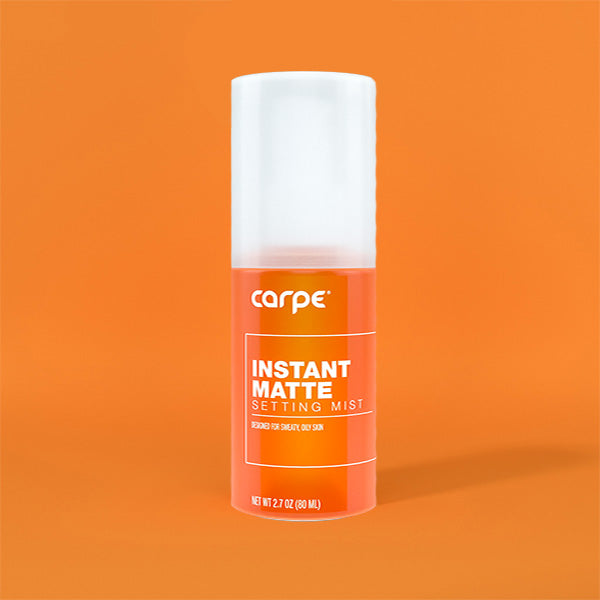
Use a foot-specific product designed for moisture, not just odor. Carpe is one of the top dermatologist recommended brands. The Carpe Sweat Absorbing Foot Lotion is formulated to help keep feet dry, which matters more in an enclosed winter boot than in almost any other footwear scenario. Apply it to clean, dry feet in the morning before you put socks and boots on, giving it a few minutes to absorb before you head out.
Rotate your boots if you wear the same pair daily. Giving boots a full 24–48 hours to dry out between wears — ideally with the insoles removed — makes a meaningful difference over the course of a winter when you're in the same pair most days.
What About Boot and Sock Materials?
Not all winter boots trap moisture equally. Fully waterproof, non-breathable membranes (common in budget snow boots) seal moisture in more than boots built with breathable waterproof membranes, which let some vapor escape while still blocking rain and slush. If sweaty feet are a persistent problem for you specifically in winter, it may be worth looking at boots marketed as "breathable waterproof" rather than simply "waterproof," even though the difference isn't always obvious from the box.
What's the Best Sock Material for Sweaty Feet in Boots?
Merino wool is the most commonly recommended option because it wicks moisture while still insulating, and it resists odor better than synthetic alternatives over a full day of wear. Technical synthetic blends (often marketed for hiking or ski socks) are a close second and tend to dry faster if they do get damp. Cotton is the one material worth avoiding in boots specifically — it absorbs sweat readily and then holds onto it, leaving your foot sitting in dampness rather than wicking it away. Our deeper breakdown of sock material for sweaty feet goes further into fabric-by-fabric differences if you're shopping for a new pair.
Building a Winter Foot Care Routine
A simple routine for the months when you're living in boots:
1. Morning: clean, fully dry feet, then foot lotion before socks go on.
2. Socks: a wicking liner or merino wool pair — skip cotton.
3. Evening: boots off, insoles pulled, laces loosened, left somewhere to air out overnight.
4. Weekly: rotate between two pairs of boots if you can, so neither pair is ever worn two days in a row without a full dry-out.
Common Mistakes That Make Winter Foot Sweat Worse
Wearing the same pair of boots every single day. Boots need real time to dry out completely, and a quick overnight by the door rarely cuts it once the insulation has absorbed moisture. Two pairs worn on alternating days will almost always stay drier than one pair worn daily.
Doubling up on thick socks to "stay warmer." It feels logical, but two heavy socks layered together often trap more moisture against the skin than one well-chosen wicking sock, without adding much real warmth once your foot is already damp.
Treating foot powder as the whole solution. Powder can help absorb some moisture, but it doesn't address the root cause the way a dedicated foot lotion formulated for ongoing dryness does, and powder alone can clump once feet are already sweating heavily.
Ignoring the insoles. Insoles absorb a surprising amount of moisture over a season and rarely get cleaned or replaced. A damp, old insole can keep reintroducing moisture and odor into an otherwise dry boot.
Does Weather Affect How Much Feet Sweat?
Not as directly as you'd expect. Foot sweat is driven more by activity level, boot insulation, and the enclosed environment inside your footwear than by the outside air temperature itself. A sedentary day at a desk in winter boots won't produce dramatically less foot sweat than a sedentary day in summer sneakers — what changes is how well that moisture can escape, and insulated winter boots are specifically designed to trap it rather than release it.
The Bottom Line
Sweaty feet in winter boots isn't about being too warm — it's about moisture with nowhere to go. Boots designed to seal out cold and wet air are, by design, very good at sealing moisture in too. Wicking socks, a foot-specific moisture product, and giving your boots real time to dry out between wears go a long way toward keeping feet comfortable all season. For general strategies beyond winter footwear, our full guide to how to stop sweaty feet covers the year-round version of this problem, and you can also check our tips for eliminating shoe odor from sweaty feet if lingering smell is part of what you're dealing with.
If foot sweat or odor seems unusually severe or is accompanied by skin changes, redness, or itching that don't improve with these steps, it's worth a conversation with a healthcare provider — the Mayo Clinic's overview of hyperhidrosis covers when excessive sweating warrants a closer look.


